
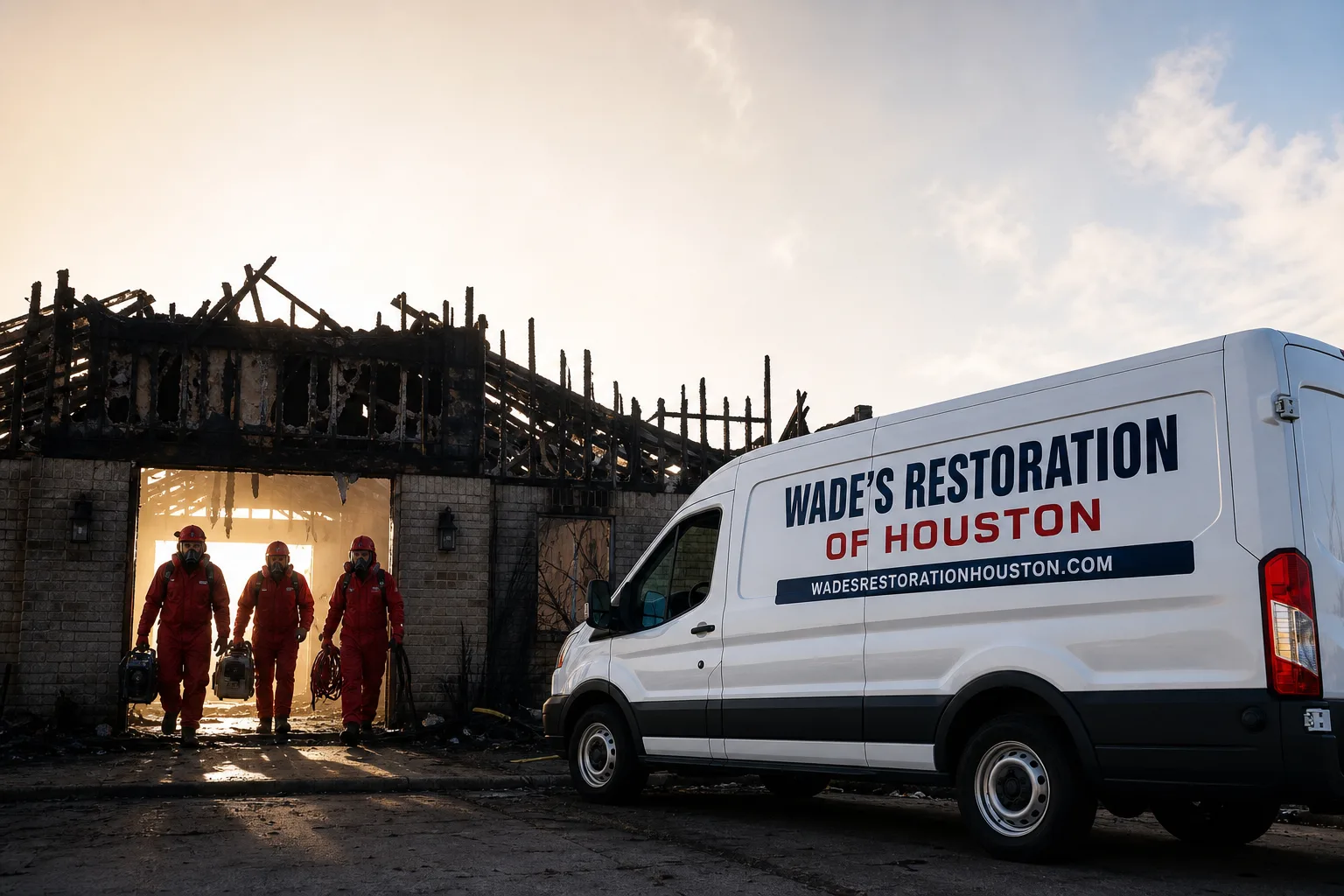
Fast, Reliable Storm & Disaster Restoration Across Rosenberg
When a storm tears through Rosenberg, the clock starts before the rain stops. Sitting in the Brazos River bottomlands means floodwater doesn’t drain away fast here. It pools, it lingers, and it seeps into pier-and-beam crawl spaces and slab cracks within hours. Wade’s Restoration of Houston answers the phone day and night, and Wade himself heads out to Rosenberg, ZIP 77471, no answering service, no runaround. Call (888) 534-8116 and you’ll talk to a person who knows exactly what your neighborhood deals with when the Brazos rises.
Why Wade’s Restoration of Houston Is Rosenberg’s Preferred Storm & Disaster Restoration Company
Wade Ferris started this company in 2007 and put his name on the truck. That’s not a marketing line. It means when you call about storm damage in Rosenberg, the man who owns the business is the one accountable for showing up and doing the work right. We don’t hand your home to a rotating cast of subcontractors. Wade’s crew is background-checked, uniformed, and trained on professional-grade equipment from Dri-Eaz, XPOWER, and Injectidry.
Rosenberg homeowners call us because we understand what this soil does. Fort Bend County’s Vertisol clay expands and contracts, holds water against foundations, and keeps humidity in a crawl space at mold-friendly levels for days after a storm. A crew that doesn’t know that will under-dry your home and call it done. We don’t.
Every storm restoration job in Rosenberg comes with our 90-Day Done Right Promise in writing. If it’s not done right, we make it right. No fine print, no argument. Wade also hands you the full moisture log at the end of the job. Daily readings, every single day, on paper. Almost nobody in this trade does that, and it matters in a town where floodwater hangs around longer than it should.
We coordinate dispatch from our Houston office, but crews serve Rosenberg locally, and Wade will be there himself. Ask anyone on your street. They’ve either used us or know someone who has.
Our Storm & Disaster Restoration Services in Rosenberg
Flood Damage Restoration
Rosenberg’s worst enemy isn’t wind. It’s the Brazos River and the flat, clay-heavy ground that won’t let water escape. Flood damage here isn’t a mop-and-fan job. It requires extraction, aggressive dehumidification, and often cutting out saturated subflooring in pier-and-beam homes before mold takes hold. We start with a written scope, not a verbal guess, and we document everything for your adjuster.
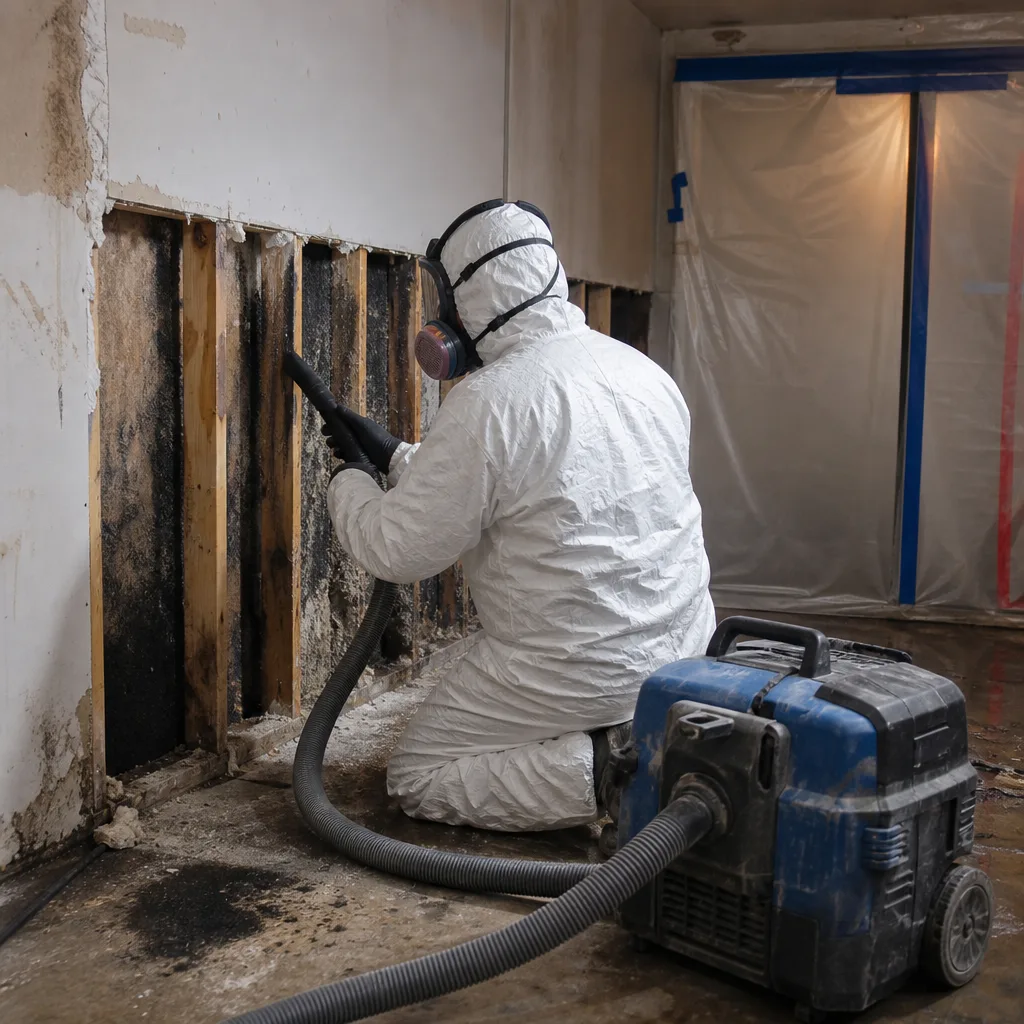
Storm Damage Cleanup
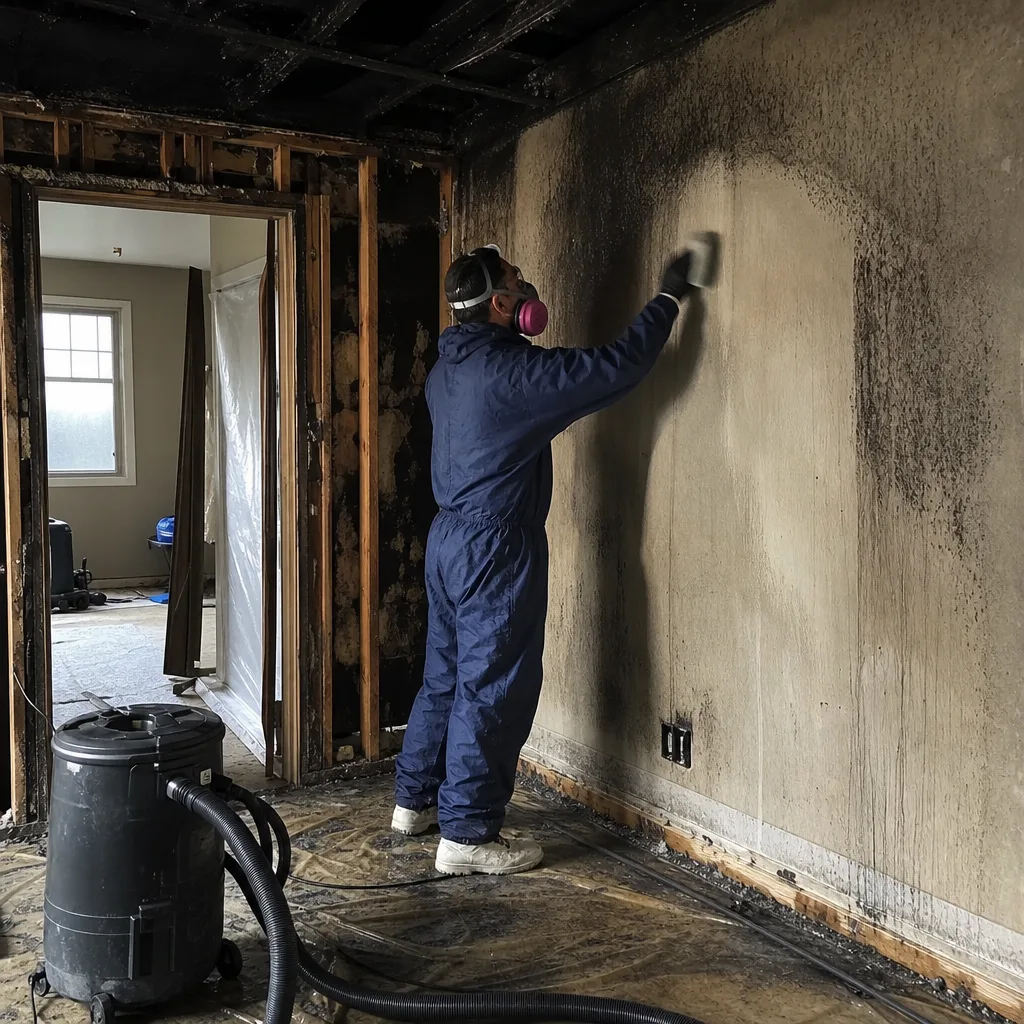
After a line of severe thunderstorms rolls through Rosenberg, we’re out here pulling wet drywall, clearing debris, and setting drying equipment in homes from the historic core near Avenue H to the newer subdivisions out toward the Brazos floodplain. The work is fast because the window before mold colonization in this climate is brutally short. We take moisture readings daily and adjust equipment until the numbers prove the structure is dry, not until a timer says we’re done.
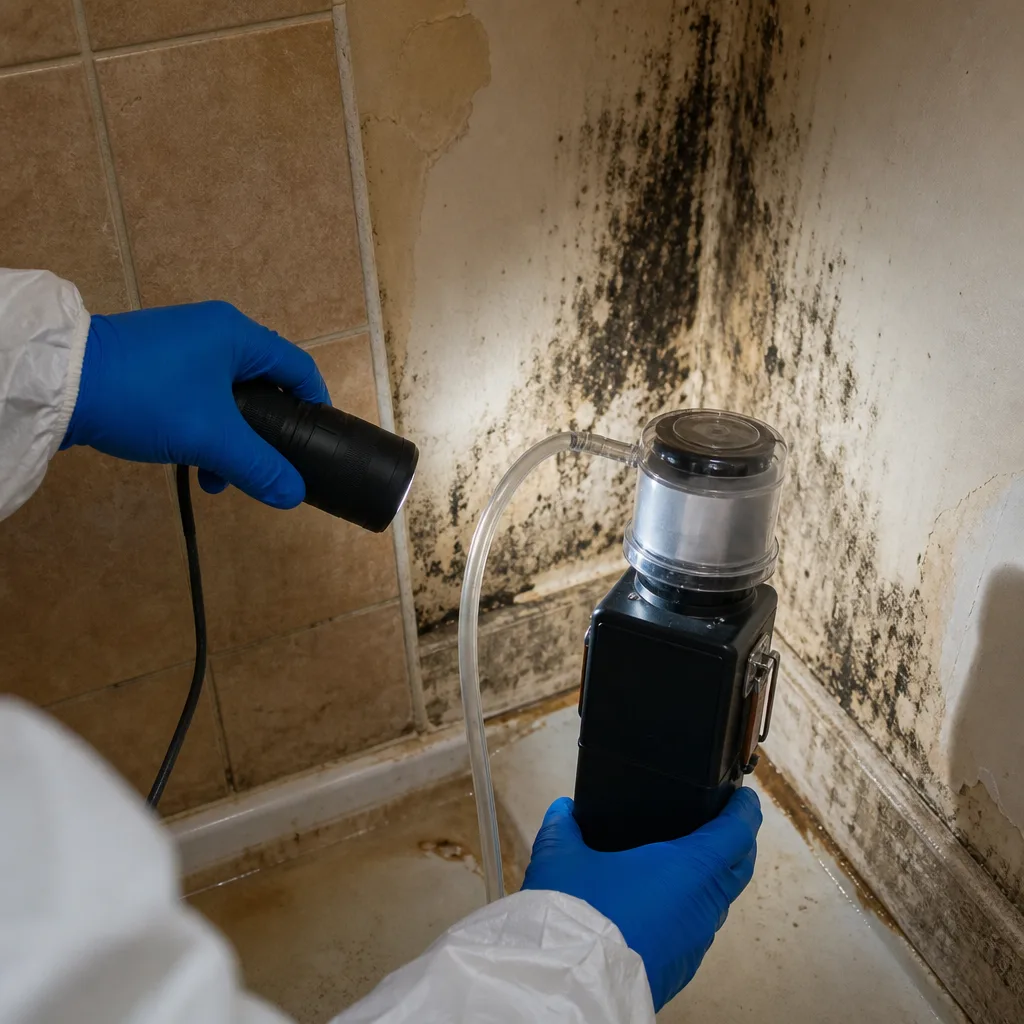
Emergency Board-Up
When wind takes out a window or a tree limb opens your roof in Rosenberg, the first step is keeping more water out. We board up openings with plywood cut to fit and tarp roof penetrations same day, usually within hours of your call. This isn’t a temporary patch job. It’s the first line of defense against a second wave of rain, and in Rosenberg’s storm season, a second wave is always possible.
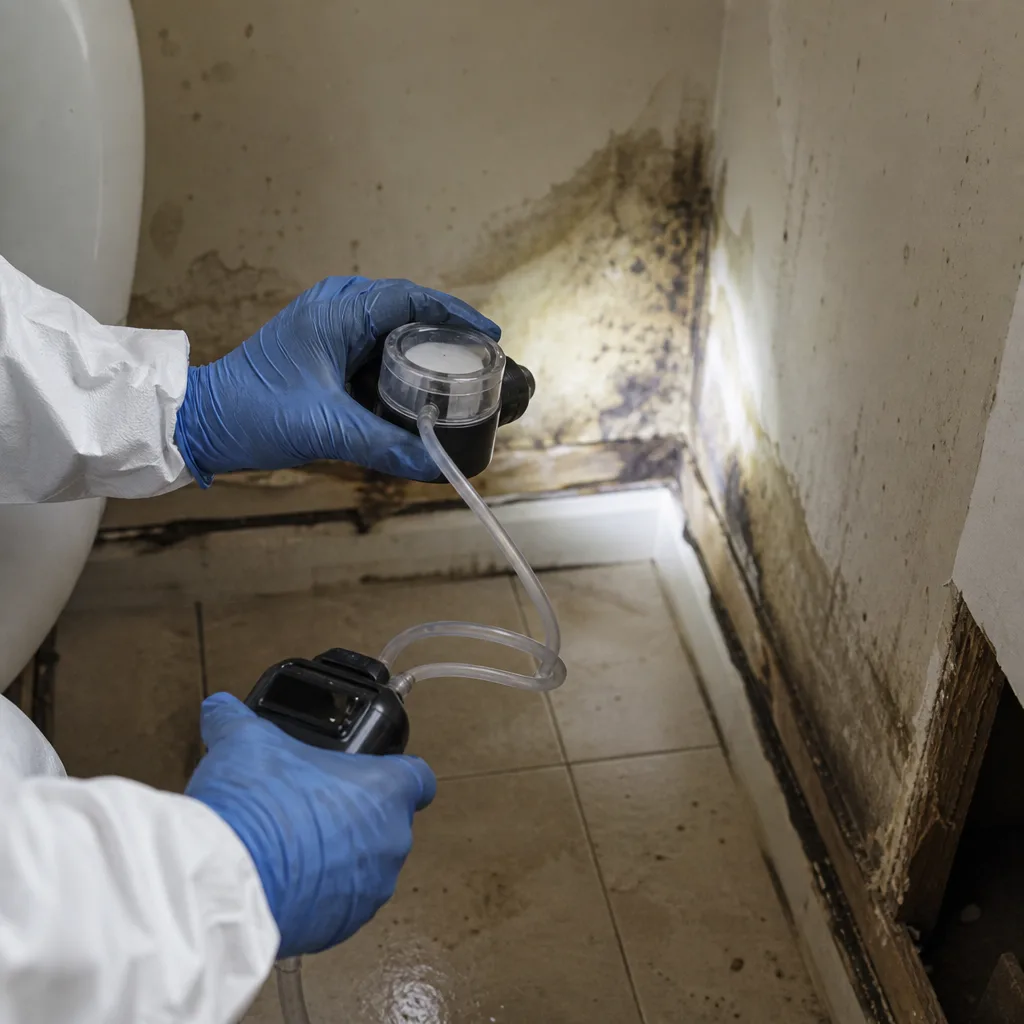
Roof Tarping
Rosenberg gets intense, short-duration downpours that overwhelm drainage fast. A breached roof under those conditions pours water into your home by the gallon. We tarp roof damage quickly and anchor the tarp properly for Texas wind, not just for looks. Then we document the damage with photos your insurance adjuster can actually use.
What happens when you call
- 1
A real person answersNo phone trees - you reach a local pro.
- 2
You get an upfront price rangeHonest numbers before anyone is dispatched.
- 3
A background-checked tech heads outLicensed & insured, dispatched right away.
- 4
You approve before work beginsNothing starts until you say go.
Common Storm & Disaster Restoration Problems We See in Rosenberg Homes
- Pier-and-beam subfloors that crumble underfoot. Homes in Rosenberg’s older historic core, many built in the 1950s and earlier, sit on crawl spaces that trap moisture after floods. The subfloor looks fine from above. Step on it and it gives. If your initial assessment doesn’t account for that, the demolition scope is wrong from the start.
- Repeated-flood history hiding old mold. A lot of homes in riverside ZIP 77471 have flooded two, three, or more times. That means layers of previous remediations, some done well, some not. Hidden mold behind walls from a flood ten years ago becomes an active problem again after the next one.
- Clay soil holding water against slabs. Even newer slab-on-grade homes in Rosenberg struggle with this. The expansive black clay holds standing water against the foundation for days. Air movers alone won’t fix that. You need aggressive dehumidification and, often, injection drying to pull water out from under flooring.
- Wind-rated doors and windows that fail before the storm hits. We see doors that were listed as wind-rated but were never installed to spec, or that have worn seals and bent tracks. A door that won’t fully close or latch under pressure becomes a missile hazard and a water entry point when the next storm hits.
Pricing for Storm & Disaster Restoration in Rosenberg, TX
Flood damage restoration in Rosenberg typically runs $1,800-$4,500 for a single-room water loss with extraction and drying. A full pier-and-beam subfloor replacement after repeated flooding runs higher, usually $6,000-$14,000, depending on how much framing is compromised. Emergency board-up in Rosenberg generally falls between $450-$900 for standard window and door openings. Roof tarping runs $350-$750 for a single-story penetrations. Storm cleanup with debris removal starts around $700 and goes up with the size of the mess. Structural conditions, how long the water sat, and what’s hiding behind walls all affect the final number. That’s why we write the scope before we start and hand you photos and measurements for every dollar. Estimates are free. Call (888) 534-8116 for an exact quote.
We Also Serve Cities Near Rosenberg
Wade’s crew works throughout the metro, including Rosenberg and nearby Greatwood, Richmond, Pecan Grove, and Sugar Land. If you’re just outside ZIP 77471, call and ask about our no trip charge inside our own county. We’ll come take a look. It costs you nothing to find out what you’re dealing with.
Serving Rosenberg, TX - Our Local Coverage Area
We’re based in the Rosenberg area and know this community well. Use the map below to see our service coverage - if you’re nearby, we can almost certainly help.
FAQs - Storm & Disaster Restoration in Rosenberg
Rosenberg sits lower, on flat terrain in the Brazos River bottomlands, with heavy Vertisol clay soil that doesn’t drain. Water stands against foundations and under pier-and-beam homes for days after a storm, while slightly higher-elevation neighbors like Sugar Land dry out faster. That’s why our drying protocols in Rosenberg run longer and involve more aggressive dehumidification than standard practice. We don’t pull equipment out early. Call (888) 534-8116 if your crawl space is still wet days after a storm, and Wade will head out himself.
We treat it as a structural and environmental job, not a one-time water extraction. Homes in Rosenberg’s historic core off Avenue H and surrounding streets often have layers of old remediation, compromised joists, and mold behind walls from previous floods. We cut out anything questionable, not just anything visibly wet, and we document every layer we remove so your adjuster sees exactly what we found. We also hand you the moisture log. That’s the accountability part.
Rosenberg falls under Fort Bend County wind-load requirements aligned with the Texas Gulf Coast’s inland wind zones. Replacement doors and windows should meet at least the local code’s design wind speed, typically in the 110-120 mph range for inland Fort Bend County, but specific ratings depend on your home’s exposure and structure. We follow the same wind-load and impact-resistance standards our Storm & Disaster Restoration team applies across the metro. The truth is, codes have changed over the years, and many older Rosenberg homes have doors and windows that don’t meet current numbers. We verify before we replace.
Look at the door’s corner seals and threshold. If you can see daylight, or if the door flexes under hand pressure and won’t latch cleanly, it’s no longer doing its job. A wind-rated door that’s warped, has bent tracks, or was shimmed poorly during installation becomes a breach point under storm pressure. The prevention is simple: have it inspected before storm season, not after. We check alignment, seals, hardware, and anchoring, and we replace or reinforce what’s failing. It’s a lot cheaper than rebuilding a wall section after water comes through.
Within 24 to 48 hours, and faster is better. In Rosenberg’s humidity and clay-soil environment, mold colonization can start in as little as 48 hours on wet drywall and subflooring. After 72 hours, the problem spreads behind walls and under flooring where you can’t see it. That’s why Wade answers his phone at 2 a.m. and can have extraction running inside the hour. If you’re past the 48-hour mark, don’t assume it’s hopeless. Call us anyway, and we’ll tell you honestly what can be saved and what needs to come out.
Rosenberg Storm Resilience: What Actually Works in the Brazos Bottomlands
Rosenberg’s position in the Brazos River bottomlands makes it one of the most repeatedly flood-impacted communities in the Houston metro. During Hurricane Harvey in 2017, the Brazos crested at historic levels and inundated large portions of ZIP 77471. Homes in the historic core near Avenue H and the older neighborhoods around Rosenberg’s downtown filled with water that sat for days. Many of those homes have flooded again since, some more than twice.
That’s the reality that shapes our work here. A first-time flood in a newer subdivision is a different job than a third-time flood in a 1950s pier-and-beam home where old mold hides behind walls and joists are already soft from the last event. Under-scoping is the most common and costly mistake we see from out-of-town crews in Rosenberg. They treat it like a routine water job. It isn’t.
In a 1950s pier-and-beam home off Avenue H in Rosenberg’s historic core, our crew arrived after a line of severe thunderstorms to find the crawl space still holding standing water two days later, a classic Vertisol clay-soil condition. Using our Dri-Eaz LGR dehumidifiers and Injectidry hardwood drying system, we pulled moisture from the saturated subfloor, then cut out and replaced rotted joists that crumbled underfoot before mold could colonize the framing. That’s the difference between drying a home and actually restoring it.
Rosenberg’s subtropical Gulf Coast climate delivers over 50 inches of annual rainfall, often in short bursts that overwhelm the area’s flat, low-gradient drainage. The impermeable clay holds water against foundations and under slabs for days. That persistently high indoor humidity accelerates secondary mold damage beyond what standard drying timeframes can handle. Relying on air movers alone here is a mistake. We run dehumidifiers longer, take daily moisture readings, and adjust equipment until the numbers prove the structure is dry.
If you’re in Rosenberg and you see standing water under your home, dark stains spreading up drywall, or a door that won’t close cleanly after a storm, call (888) 534-8116. Wade will answer. He’ll tell you what he’d do if it were his house, and then he’ll come do it.
Written by Wade Ferris, Owner at Wade’s Restoration of Houston, serving Rosenberg, TX.