
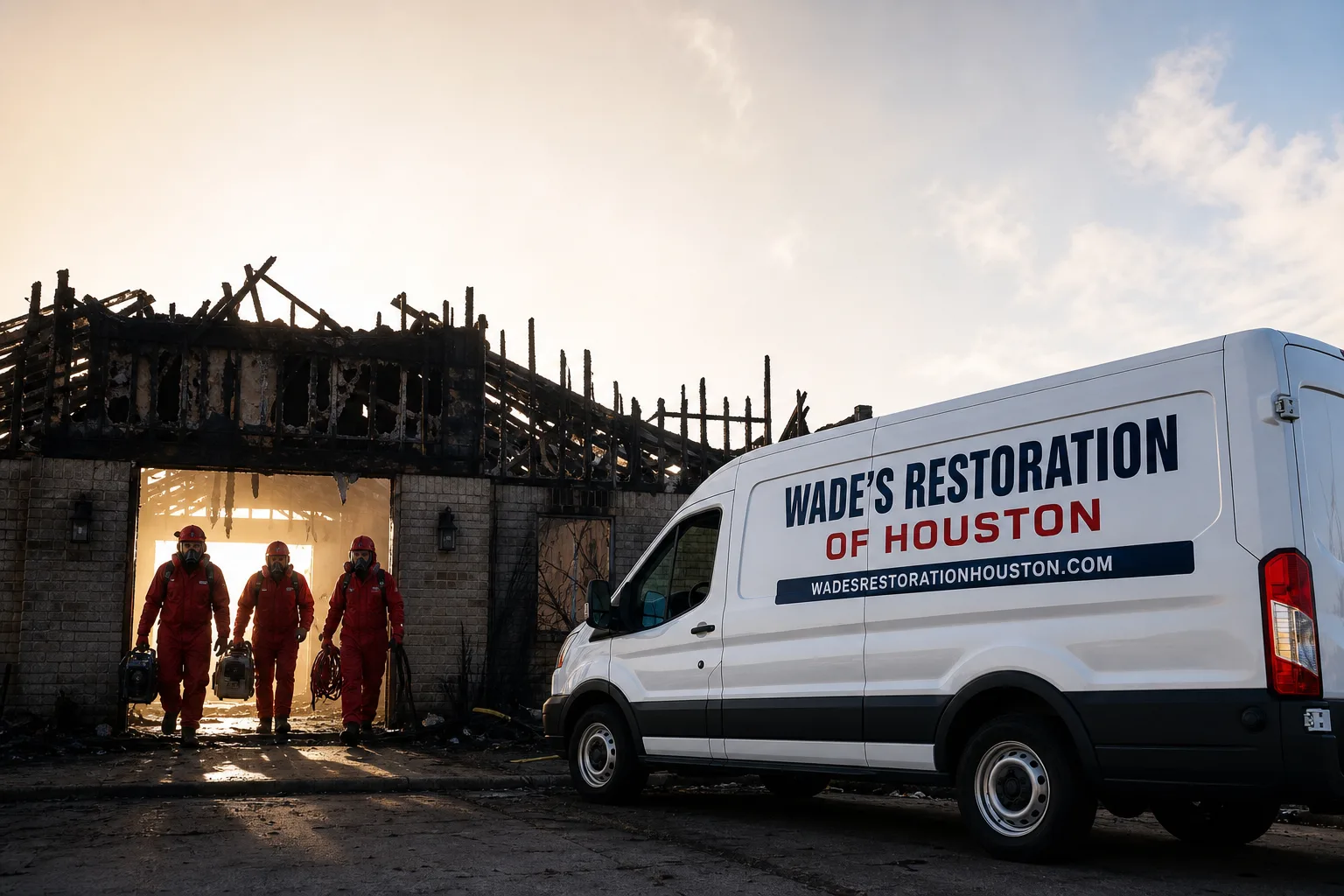
Fast, Reliable Mold Remediation Across Rosenberg
Mold remediation in Rosenberg runs anywhere from $1,800 for a contained bathroom cleanup to $9,500+ for full crawl space and subfloor remediation in older pier-and-beam homes along the Brazos. That’s a honest spread, and it exists because Rosenberg’s river-bottom clay and repeat flooding history produce mold problems that generic crews routinely underestimate. Wade Ferris has been pulling mold out of Fort Bend County homes since 2007, and he answers his own phone at (888) 534-8116. If you’ve got water in a crawl space right now, call. He’ll be on the road to Rosenberg before the fan companies finish their intake script.
Rosenberg sits in the Brazos River bottomlands, which means floodwater doesn’t just visit. It stays. That lingering moisture, combined with the impermeable Vertisol clay under your foundation, compresses the window for mold colonization to as little as 48 to 72 hours after a storm. Homes in Sugar Land sit higher and drain faster. Yours doesn’t. We plan every Rosenberg job around that reality, not around a national call-center playbook.
Why Wade’s Restoration of Houston Is Rosenberg’s Preferred Mold Remediation Company
Wade Ferris is the guy whose name is on the truck. He lives in the same county you do, publishes his address and license number, and will run into you at the hardware store on a Saturday. That’s the oldest accountability mechanism there is, and it’s the one national franchises can’t replicate. When you call Wade’s Restoration, you get Wade or a member of his crew who’s been background-checked and trained to his standard. Not a rotating cast of subcontractors.
Rosenberg homeowners have dealt with storm after storm, and a lot of them have been burned by outfits that quoted one number on the phone and a different number at the door. Wade doesn’t play that game. You get a written scope before work starts, a moisture log handed to you at the end of every day, and direct adjuster communication so you’re never the one stuck relaying information between two sides. The 90-Day Done Right Promise is in writing on every mold job. If it’s not done right, Wade makes it right. One call brings him back.
Response time matters when mold is actively growing. Wade’s crews stage equipment for Rosenberg dispatch from the Houston office, which puts extraction and drying equipment inside your home inside the hour on emergency calls. For a mold assessment, he’ll schedule within a day in most cases. And when you call at 2 a.m. after discovering a pipe that’s been leaking behind a wall for a week, a live person answers. That’s often Wade himself.
Our Mold Remediation Services in Rosenberg
We’re a full-service Mold Remediation company, which means we don’t just wipe down surfaces and hand you a bill. We find where the moisture is coming from, kill the mold at its source, and keep it from coming back. Here’s what that looks like in Rosenberg specifically.
Mold Inspection & Testing
Every Rosenberg mold job starts with documentation, not demolition. We map moisture levels through walls, floors, and crawl spaces using professional-grade meters, then test air samples to identify spore types and concentration. In older pier-and-beam homes near Avenue H and the historic core, we specifically inspect subfloor joists and sill plates that look fine on a visual pass but have absorbed decades of flood moisture. That’s the difference between a $2,000 surface cleanup and a $9,000 structural remediation, and the only way to know is to look where other companies don’t.
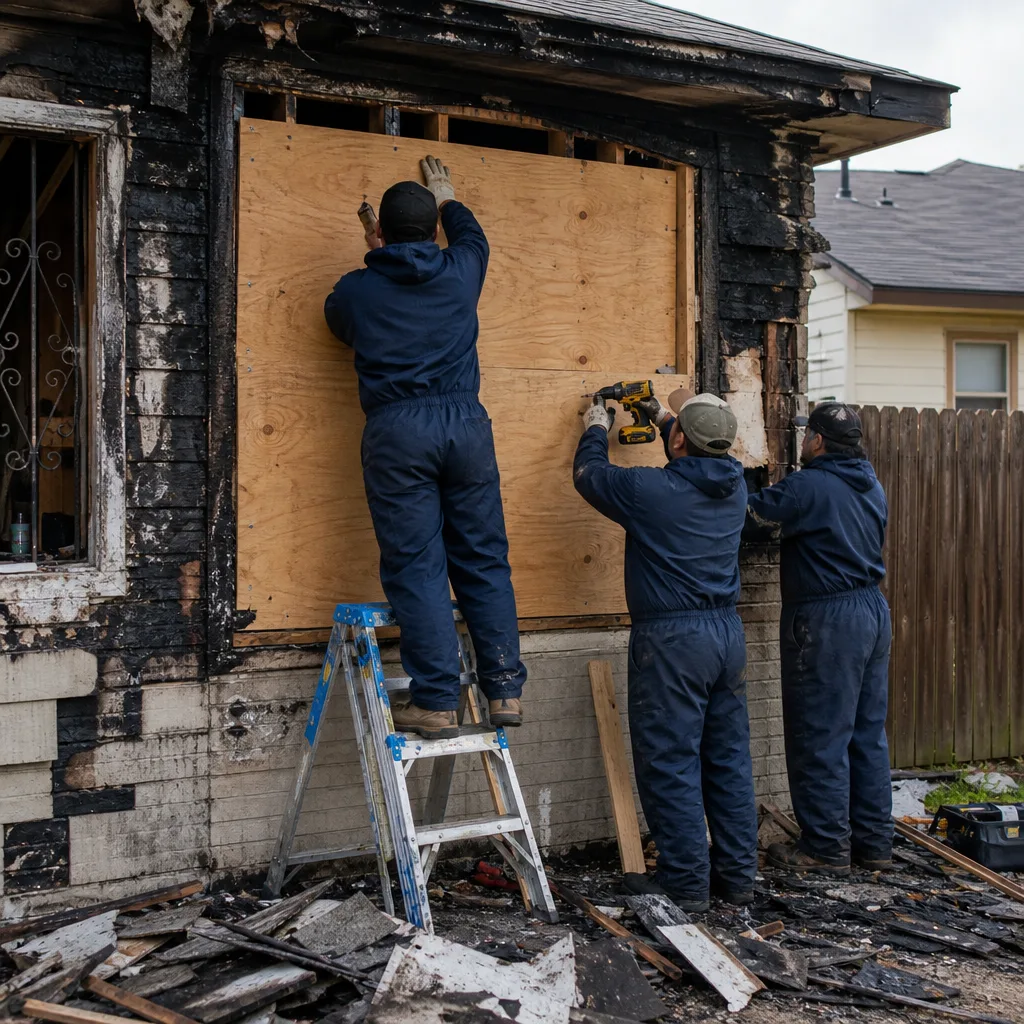
Mold Removal
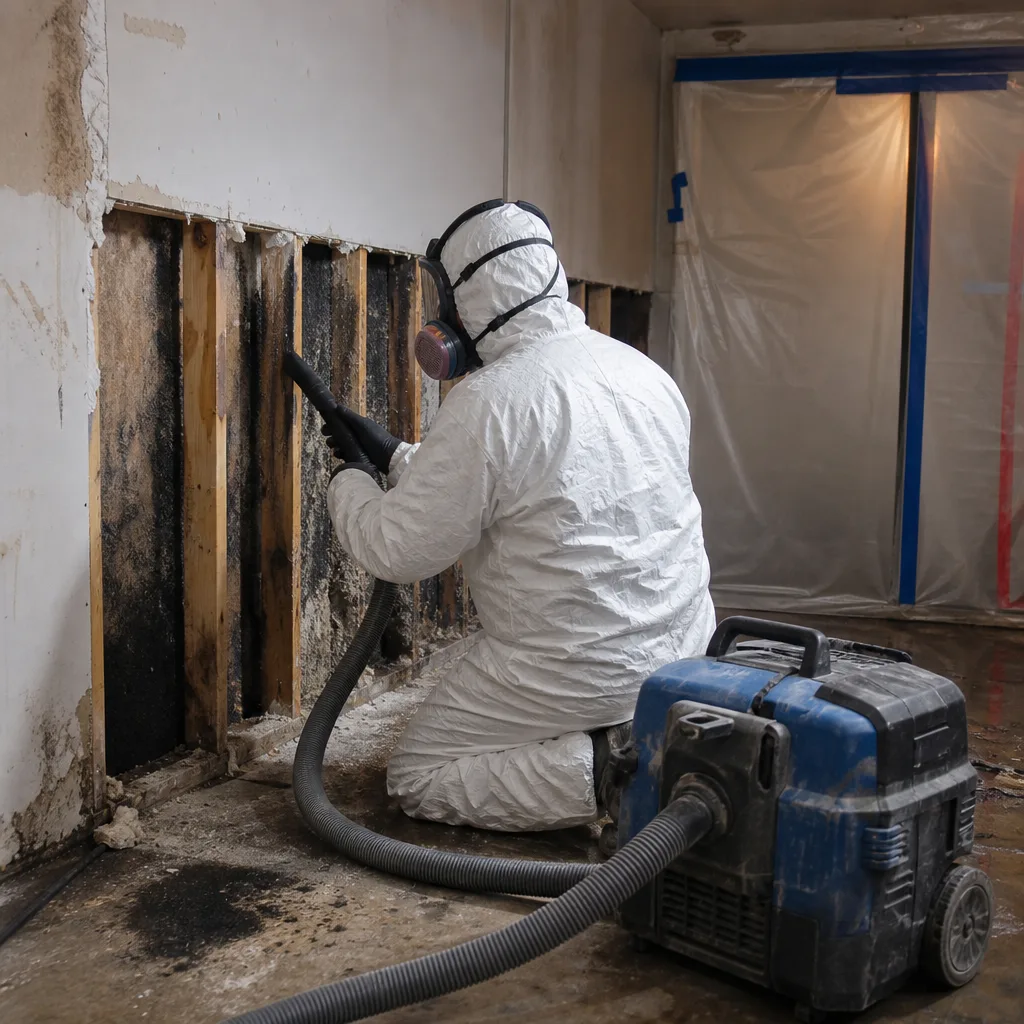
Once we’ve mapped the problem, we contain it. Negative air pressure, HEPA filtration, and sealed containment chambers keep spores from spreading through your house while we remove affected drywall, insulation, carpet, and subflooring. Rosenberg’s 1990s-era slab subdivisions, built outward toward the Brazos floodplain, tend to trap moisture behind walls after slab leaks and drainage failures. We open those walls methodically and document every cut so your adjuster sees exactly what was removed and why.
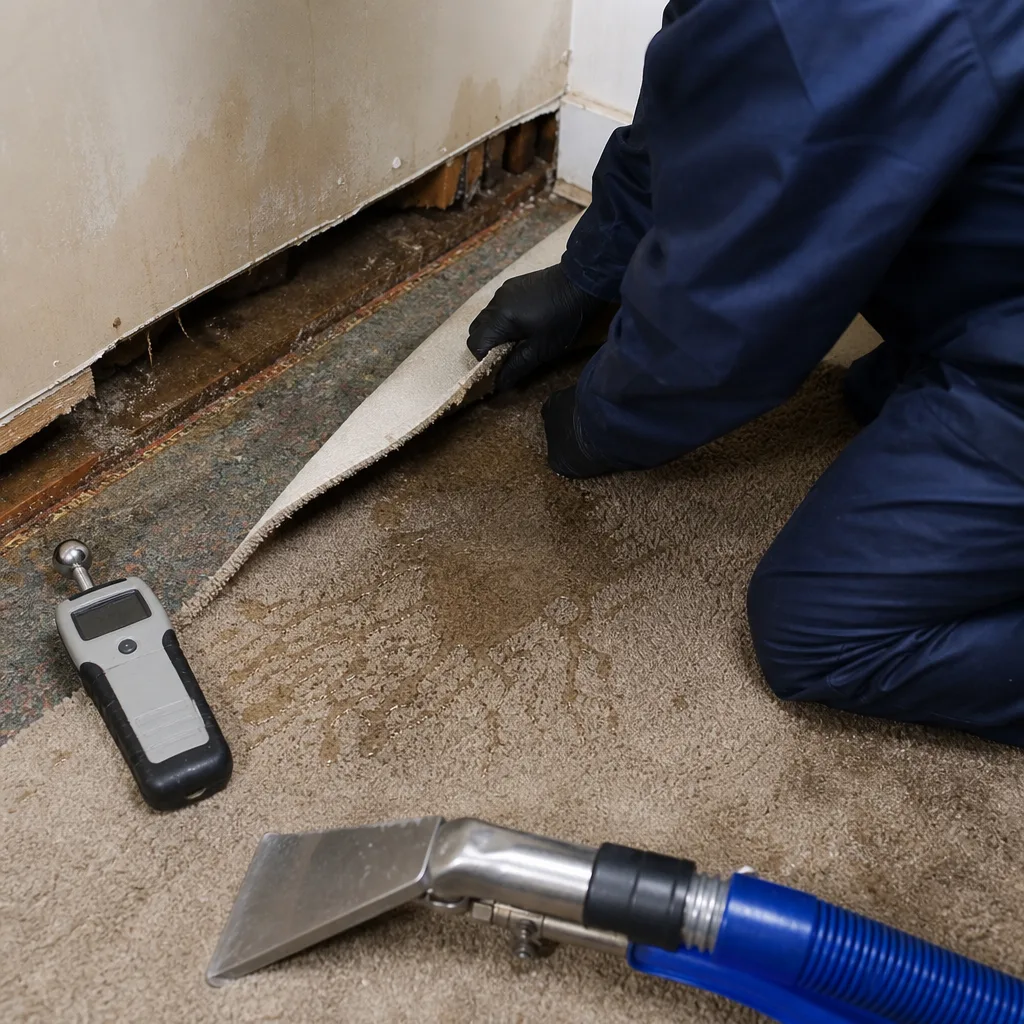
Black Mold Remediation
Black mold, or Stachybotrys, is the one that scares people, and for good reason. It grows on cellulose-heavy materials like drywall and wood after prolonged water exposure, which is exactly what happens when Brazos floodwater sits inside a Rosenberg crawl space for five days. We treat it with antimicrobials and complete removal of the affected material, not a surface spray. In homes that have flooded multiple times, we assume the worst until we prove otherwise. That’s the only honest way to work a river-bottom property.
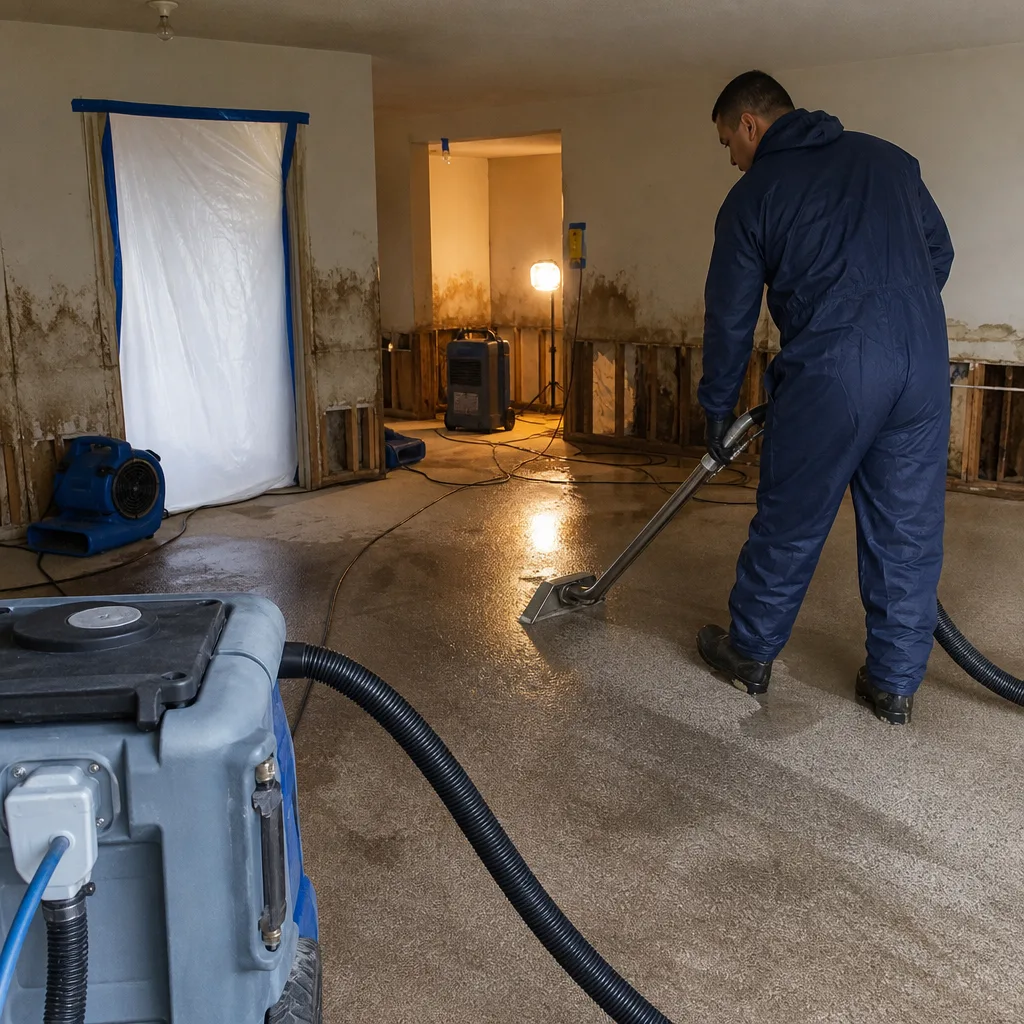
Air Quality Restoration
After the mold is gone, the air still carries the story. We run professional-grade HEPA scrubbers and dehumidifiers from Dri-Eaz and Phoenix until airborne spore counts drop below baseline, not until the job looks dry. Rosenberg’s subtropical climate means average indoor humidity runs high even without a flood, so we verify the numbers before we pull equipment. You’ll see the readings. We hand you the full moisture log at the end of the job.
Crawl Space Treatment & Moisture Control
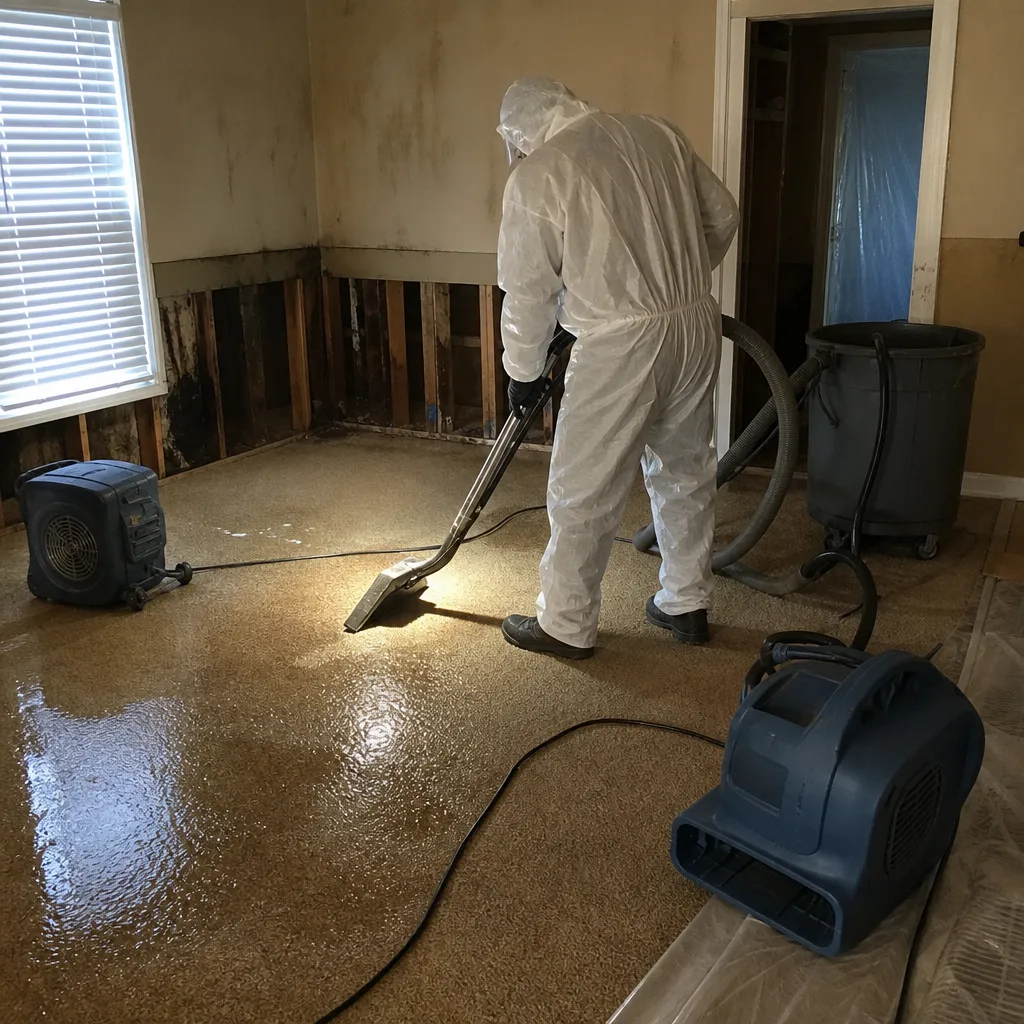
This is where Rosenberg jobs separate the pros from the pretenders. The Brazos River bottomlands produce standing water under pier-and-beam homes that lingers for days, and the Vertisol clay holds moisture against foundations long after surface water recedes. We remove saturated insulation, treat the framing, install vapor barriers, and in many cases recommend full crawl space encapsulation. It’s not an upsell. It’s the difference between doing the job once and doing it again next spring.
What happens when you call
- 1
A real person answersNo phone trees - you reach a local pro.
- 2
You get an upfront price rangeHonest numbers before anyone is dispatched.
- 3
A background-checked tech heads outLicensed & insured, dispatched right away.
- 4
You approve before work beginsNothing starts until you say go.
Trusted Brands We Service in Rosenberg
Rosenberg homes weren’t all built the same year by the same builder, and neither is the equipment that fixes them. We run Dri-Eaz dehumidifiers and air movers, Phoenix axial fans, XPOWER air scrubbers, and B-Air dryers, all matched to the job in front of us. Wade’s team is IICRC-certified, RIA-affiliated, and IFA-recognized, which matters when your adjuster asks who did the work and whether they followed industry protocol. We stock the supplies and spare parts needed to keep equipment running through multi-day Rosenberg dry-outs without waiting on a shipment. When the Brazos floods, every restoration company in Texas wants the same equipment. We already have ours.
Common Mold Remediation Problems We See in Rosenberg Homes
After nearly two decades of opening up walls and crawl spaces across Fort Bend County, certain patterns repeat in Rosenberg that you won’t see in Katy or Sugar Land. Here’s what we encounter week after week.
- Hidden regrowth from prior “cleanups.” A homeowner hires someone who wipes down the visible mold and calls it done. Six months later the smell returns. We open the wall and find the framing behind it was never treated, and the moisture source was never fixed. In older Rosenberg homes that flooded two or three times over their lifespan, this is the most common mold problem we walk into.
- Subfloor rot that looks fine until you step on it. Pier-and-beam homes from Rosenberg’s mid-20th-century core often have joists that appear intact but crumble underfoot. Repeated Brazos floods soak the wood, it dries on the surface, and the inside rots. A visual inspection misses it. Our crawl space techs probe the framing with a moisture meter and an awl, and they find rot the last guy didn’t.
- Humidity-driven secondary mold after drying equipment is removed. A standard dry-out runs fans for three or four days, then pulls them. In Rosenberg, that’s often not enough. The clay soil holds water against the foundation, interior humidity stays elevated, and mold blooms in the walls two weeks later. We run longer in the river bottoms and verify moisture levels before we leave, not after.
- Slab leaks and drainage failures in 1990s-2010s subdivisions. The newer neighborhoods built toward the Brazos floodplain sit on expansive black-clay soil that shifts with moisture swings. Slab cracks let water in, poor grading holds it against the foundation, and mold follows. We find these leaks behind baseboards and under cabinets in homes that have never flooded but still have active mold growth.
Pricing for Mold Remediation in Rosenberg, TX
Here are real numbers for the Rosenberg market, based on what we see every month across ZIP 77471.
| Service | Typical Range (Rosenberg) |
|---|---|
| Mold inspection with moisture mapping and air sampling | $350-$650 |
| Contained mold removal (single room, moderate growth) | $1,800-$3,500 |
| Full black mold remediation with drywall and insulation removal | $3,500-$7,000 |
| Crawl space treatment with vapor barrier install (pier-and-beam) | $2,200-$5,500 |
| Crawl space stabilization and subfloor joist replacement | $4,000-$9,500+ |
| Whole-house air quality restoration with HEPA scrubbers (3+ days) | $1,200-$2,800 |
What moves the number? How long the moisture sat, whether we’re opening walls or just treating surfaces, and what’s happening in the crawl space. Older pier-and-beam homes near the river cost more because the subfloor work is labor-intensive and the wood is often worse than it looks. Newer slab homes cost less unless the slab itself is cracked and leaking. Every job gets a written scope before we start, so you’ll see the line items. Estimates are free. Call (888) 534-8116 and Wade will put eyes on it himself.
We Also Serve Cities Near Rosenberg
We work across Fort Bend County, so if you’re in Rosenberg proper or just outside it, we’ve got you covered. Our crews regularly handle mold jobs in Greatwood, Richmond, Pecan Grove, and Sugar Land. Each town has its own drainage patterns and housing quirks, but the one thing that’s consistent is Wade’s team showing up with the right equipment and a written scope. If you’re in one of those communities and dealing with mold, call the same number: (888) 534-8116.
Serving Rosenberg, TX - Our Local Coverage Area
We’re based in the Rosenberg area and know this community well. Use the map below to see our service coverage - if you’re nearby, we can almost certainly help.
FAQs - Mold Remediation in Rosenberg
Because the water doesn’t leave. Rosenberg sits on flat, clay-heavy bottomland that drains slowly, so floodwater pools around foundations and under piers for days after a storm. Sugar Land sits higher and sheds water faster. That extended saturation window means mold begins colonizing within 48 to 72 hours in Rosenberg, while Sugar Land homes get a few extra days. If your home flooded and it’s been more than three days, treat it as an active mold situation, not a pending cleanup. Call (888) 534-8116 and we’ll start with a moisture assessment, not a guess.
We open more than the last guy did. A home that’s taken water two or three times has hidden growth behind walls, under insulation, and inside framing cavities that a surface inspection will never reveal. We probe the subfloor joists with moisture meters, cut access points in walls where past water lines indicate past saturation, and remove everything that’s been compromised. In one older riverside pier-and-beam home off Avenue H, our crawl space techs found joists that looked intact but crumbled underfoot, with black mold regrowth behind walls from a prior incomplete remediation. We installed a Dri-Eaz dehumidification setup, removed saturated insulation, and applied antimicrobial treatment before restoring airflow. That homeowner avoided a full structural failure by about one more wet season.
Yes, and it does. The issue isn’t the drying equipment. It’s the water that stays in the soil. Vertisol clay expands and holds water against foundations for days after equipment is pulled, and that moisture wicks up into sill plates, subflooring, and wall bases. If you only dry the air and not the ground contact, you set up the next bloom. We address this with longer drying runs in river-bottom homes, crawl space vapor barriers, and in many cases full encapsulation. The moisture log we hand you at the end shows the numbers stayed low before we left. Call (888) 534-8116 for an assessment, and ask us about the clay problem specifically.
Slab cracks and bad drainage. Those subdivisions were built on expansive clay that shifts with every wet-dry cycle, and over 20 or 30 years that movement cracks slabs and lets water in under walls. Poor grading directs rainwater toward the foundation instead of away from it, and the water finds the crack. The mold grows inside wall cavities and under vinyl plank flooring where you can’t see it until the smell gives it away. We trace the moisture source with meters before we open anything, because fixing the mold without fixing the crack means doing the whole job again in 18 months.
Some drywall can be saved, but not as much as people hope. Drywall that’s been wet for less than 48 hours and shows no sign of warping or mold can sometimes be dried in place with the right equipment and airflow. Drywall in a bottomland home that sat wet for three or more days, or drywall below the water line in a pier-and-beam crawl space, almost always gets removed. Mold colonizes the paper backing and the gypsum core holds moisture for weeks. We cut out exactly what’s compromised and document it for your adjuster, so you’re never paying for removal that wasn’t necessary. Free estimate at (888) 534-8116.
Written by Wade Ferris, Owner at Wade’s Restoration of Houston, serving Rosenberg and Fort Bend County since 2007.