
Injectidry Water Damage Restoration in Houston: A Homeowner’s Guide
Most Houston homeowners who paid for Injectidry drying couldn’t tell you what it did. They just know it showed up on the bill for $800 to $2,400. That’s not their fault; it’s rarely explained. So let’s fix that right now: Injectidry is a drying system that forces dry air into wall cavities through small holes and panels, letting wet insulation and studs dry without tearing out drywall. Whether you need it depends on how your house is built, how wet it got, and how honest your restoration company is.
If you’d rather not become an expert on wall-cavity drying by reading a blog post, call (888) 534-8116 and we’ll walk you through it in five minutes. Free.
What Injectidry Actually Does to Your Walls
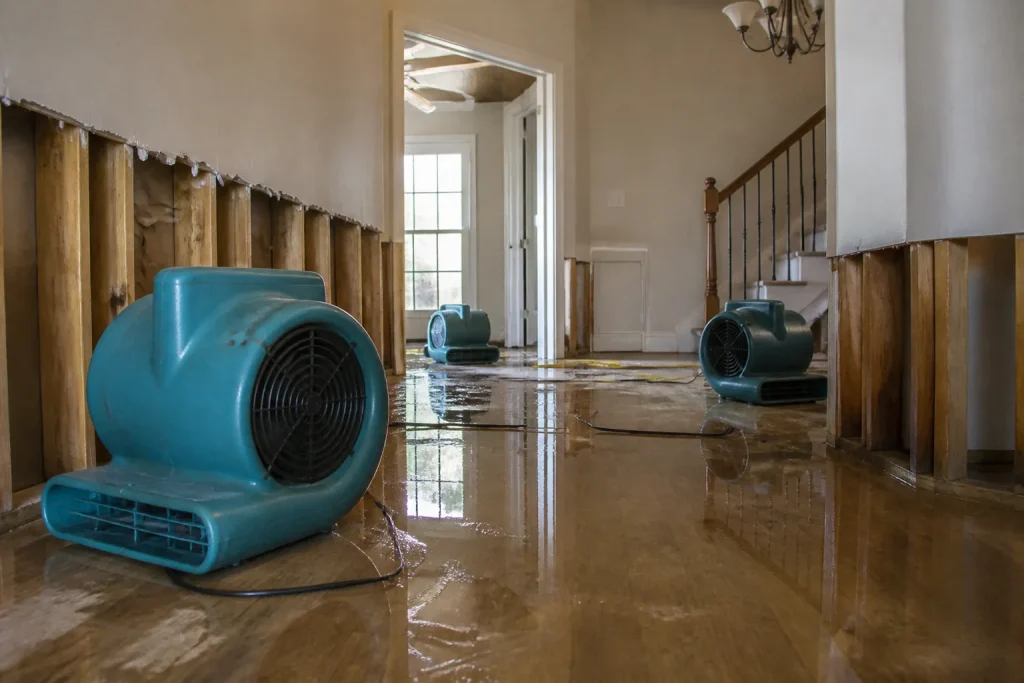
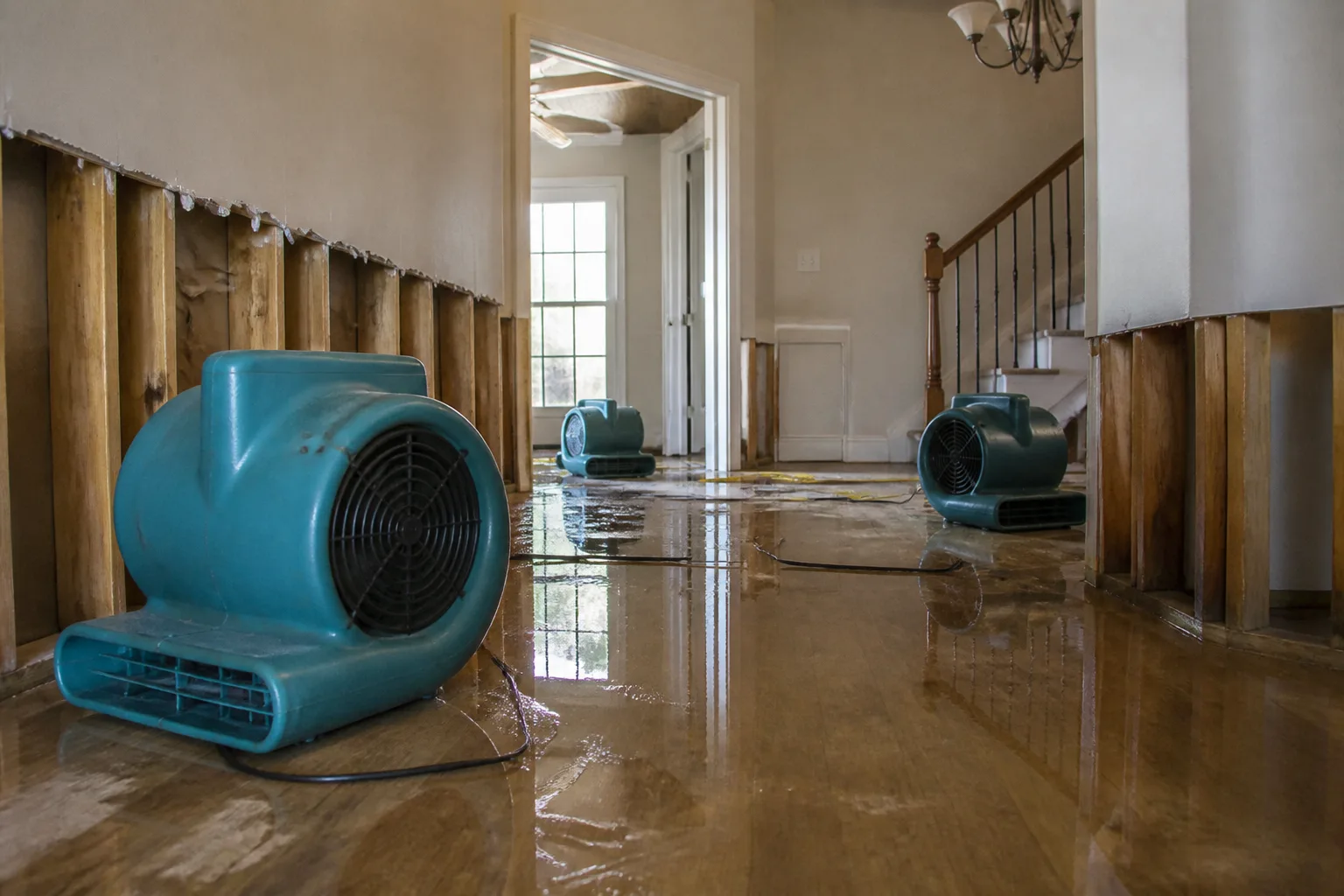
Picture a flooded hallway. Water ran under the baseboards and soaked into the bottom two feet of drywall. The drywall itself might dry with fans and dehumidifiers, but the insulation behind it is now a wet sponge pressed against wood studs. If you seal that wall back up with moisture still inside, you’ve built a mold farm. Houston’s heat will finish the job in about 48 hours.
Injectidry tackles that hidden space. The system uses a series of small panels or individual injector hoses inserted into holes drilled behind the baseboard or through small wall openings. A pump pushes measured, filtered air directly into each cavity. That air moves across the wet insulation, picks up moisture, and exits through weep holes or another small opening. The result is dry studs and insulation without ripping out every sheet of drywall.
We run Injectidry units alongside our Dri-Eaz dehumidifiers and Phoenix air movers on Houston jobs where the framing matters. It’s quiet, targeted, and works. But it’s not a magic box. The air has to go somewhere, the humidity has to be controlled in the room, and the operator has to know which cavities are actually wet. That last part is where we see the most mistakes from companies that own the equipment but don’t really understand it.
When Injectidry Is the Right Call in Houston Homes
Injectidry earns its keep in specific situations. Here’s how it breaks down:
- Finished walls with no easy access. If the wet area sits behind tile, wainscoting, or built-in cabinetry, drilling small holes behind the baseboard is far cheaper than demolition and rebuild.
- Older Houston homes with dense insulation. A 1960s ranch in Spring Branch or a bungalow in the Heights often has batt insulation that holds water like a dish sponge. Open air drying won’t reach deep into those cavities. Injection does.
- Multi-story wood framing. When water travels down inside a wall from a second-floor bathroom leak, the wet zone might span two or three stud cavities. Injectidry can dry the full vertical space without opening the first floor ceiling.
- Hardwood floors installed over subfloor cavities. Pressurized panels can dry the space between finished flooring and subfloor, which is often the difference between saving and replacing a wood floor.
Where is Injectidry the wrong tool? If the drywall is already crumbling, swollen, or separating at the seams, that material is done. Drying it is a waste of billable hours. Tear it out. Same story if the cavity has standing water you can hear sloshing or the insulation has already sagged into a wet clump at the bottom of the wall. We’ve pulled Injectidry hoses out of walls in Houston where the insulation looked like oatmeal, and the homeowner was told “two more days of drying” by a company that didn’t want to admit it should have been cut out and replaced on day one. We won’t do that to you.
This is where the 80/20 rule applies to your decision. About 20% of Houston water damage jobs genuinely benefit from cavity injection. The other 80% dry fine with proper extraction, air movement, and dehumidification. Any contractor who puts Injectidry on every job is padding the invoice, not protecting your house.
Houston Humidity: Why It Changes Everything
We’ve run drying jobs in Houston homes in August where the outdoor dew point sat at 78 degrees and the indoor relative humidity wouldn’t drop below 65% without serious equipment. Houston’s climate is actively working against you on every water damage job. That’s not a scare tactic; it’s physics.
Here’s what that means for Injectidry drying specifically. The system pulls ambient air from the room, filters it, and injects it into your wall cavities. If the room air is humid, the injected air is humid, and drying slows down. A quality setup pairs the Injectidry panel with a low-grain refrigerant dehumidifier running in the same room to drive down the air’s moisture content before injection. That dehumidifier is another piece of equipment, another line item, and another day of electricity. But skipping it in Houston means the cavity drying time doubles and the insulation inside never truly reaches dry standard.
So what should you ask when a company quotes Injectidry on a Houston job? Ask what the target grains per pound is. Grain is a real unit of moisture in air. In Houston, we aim for below 55 grains per pound in the room for effective cavity drying. If the technician doesn’t know what you’re asking, that’s your answer about whether they know how to run the equipment in our climate.
Day counts matter too. A straightforward cavity dry in a Houston home with good humidity control runs 3 to 5 days. In a house with no dehumidifier support or poor air sealing, we’ve seen the same job stretch past a week. Every day the equipment runs, you’re paying rental on that equipment, whether you see the line item or it’s buried in the estimate. Ask for a daily schedule and daily readings. If you’re not getting them, you’re probably paying for rental longer than the job actually needed.
What a Legitimate Injectidry Moisture Log Looks Like
Here’s the thing most Houston homeowners don’t know: you’re entitled to documentation. Every day the equipment runs, someone should be taking readings from each cavity being dried. At the end of the job, you should receive a complete log. If the company won’t give you one, ask yourself what they’re hiding. Usually, it’s a job that got billed for more days than it needed or cavities that were never actually wet.
A legitimate log includes:
- Daily moisture readings per cavity. These are taken with a moisture meter set to the wood scale, usually expressed as a percentage. A stud that reads 25% moisture at day one should steadily drop toward the dry standard for Houston’s climate, which is typically around 12% or less.
- Cavity temperatures. Warm air dries faster. If a cavity is being injected with air at 100 degrees and another at 78 degrees, the colder one will lag. The log should show which cavities were running at what temperature.
- Grains per pound readings for the room. This tells you whether humidity control was actually happening alongside the injection. No GPP data means no way to verify the drying was done right.
- Initial and final readings. You need a baseline from day one and a final number the day the equipment comes out. Without both endpoints, you can’t know if the job finished or just stopped.
We hand every homeowner on every Houston water damage job the full moisture log before we call the job done. Most companies we compete with don’t. That’s not because we’re nice. It’s because the log is proof, and you deserve proof that the money you’re spending actually dried your house. If the company won’t show you the numbers, the numbers probably don’t support the invoice.
Injectidry and Insurance: What to Confirm Before Work Starts
Here’s how Injectidry usually shows up in your insurance claim. The adjuster or restoration company writes the estimate in Xactimate, the software almost every carrier uses. Injectidry line items typically appear as a per-day rental charge, often coded under “specialty drying” or “wall cavity drying system.” In the Houston market, that daily rate commonly lands between $150 and $400 depending on the number of panels, the square footage being dried, and the complexity of the setup. Your policy may cover it, partially cover it, or deny it entirely. It depends on your carrier and your deductible.
Before you sign anything, call your adjuster and ask three questions:
- Does my policy cover specialty drying equipment like Injectidry? If it doesn’t, you’re paying that line item out of pocket. Know that before the equipment arrives, not after the invoice does.
- What documentation will the carrier require for the drying period? Some carriers want daily logs. Some want a final moisture map. If you don’t provide what they ask for, they can deny the equipment rental entirely. Get the documentation requirement in writing from the adjuster before work starts.
- Is there a cap on equipment rental days? Some policies limit specialty equipment rental to 3 days, 5 days, or a dollar cap. If your job needs 6 days and your policy caps at 4, someone has to pay for those extra two days. Find out who before the clock starts.
Wade Ferris deals with adjusters directly on every Houston restoration job. If you’re working with us, you won’t be the one emailing your adjuster daily moisture readings and hoping they respond. That’s our job. But regardless of who you hire, get the insurance conversation handled before the first hose goes into your wall. The surprise is always worse than the conversation.
When to Call a Pro
Injectidry is not a homeowner tool. We’re saying that even though we own several units and could theoretically rent them out. The setup requires drilling into your walls, sealing multiple points, monitoring daily, and making decisions about when a cavity is actually dry. Get it wrong and you’ve created a hidden moisture problem that festers for months until the mold shows through the paint. A trained professional with proper meters and experience should run this equipment. Full stop.
If you’re in Houston and you’re reading this while your wall is currently wet, call (888) 534-8116. We’ll tell you honestly whether your situation actually warrants Injectidry or whether plain drying with proper equipment does the job for less money. We’d rather give you a straight answer than rent you equipment you don’t need. That’s not a pitch; that’s how we’ve run Wade’s Restoration of Houston for over 29 years.
Related services in Houston: Water Damage Restoration in Houston and Mold Remediation in Houston.
The Bottom Line
Injectidry is a legitimate, effective tool when it’s matched to the right job: finished walls you’d rather not demo, older Houston construction with dense insulation, multi-story framing with water trapped between floors. It’s a waste of your money when the drywall is already shot, the insulation is destroyed, or the company running the equipment doesn’t understand Houston’s humidity. The difference comes down to documentation. Daily moisture logs, cavity temperatures, and GPP readings are the paper trail that proves you got what you paid for. No log, no proof, no exceptions.
If you’re in Houston and need help figuring out whether Injectidry makes sense for your situation, Wade’s Restoration of Houston home team is a phone call away. Free estimates, no trip charge inside our own county, and a straight answer about whether you need specialty drying or not. Call (888) 534-8116.
Frequently Asked Questions
Most Houston homeowners pay between $800 and $2,400 for Injectidry drying, depending on the number of wall cavities, the setup complexity, and the number of days the equipment runs. Daily rental rates in the Houston market typically fall between $150 and $400. Get a written scope that breaks out the daily rate, the estimated number of days, and what documentation you’ll receive before you agree to anything.
If the drywall is structurally sound and you want to save it, Injectidry is often cheaper than demolition and rebuild, especially behind tile or built-ins. If the drywall is swollen, crumbling, or the insulation has already collapsed, demolition is faster and less expensive. A trustworthy restoration company will tell you which situation you’re in and show you the numbers to back it up.
Ask for the daily moisture log. It should show per-cavity moisture readings, cavity temperatures, and grains per pound for the room, from the day the equipment went in to the day it came out. If the company won’t provide the log, treat that as a red flag and don’t pay the final invoice until you have it.
Usually, but not always. Injectidry line items appear in Xactimate as specialty drying equipment rental, and coverage depends on your policy and carrier. Confirm with your adjuster before work starts whether specialty drying is covered, what documentation they require, and whether there’s a cap on rental days. Call (888) 534-8116 and we’ll help you have that conversation.
Written by Wade Ferris, Owner at Wade’s Restoration of Houston, serving Houston since 2007.
Need Damage Restoration Help?
Call Wade's Restoration of Houston - licensed & insured, here with fast after-hours help in Houston.
(888) 534-8116