
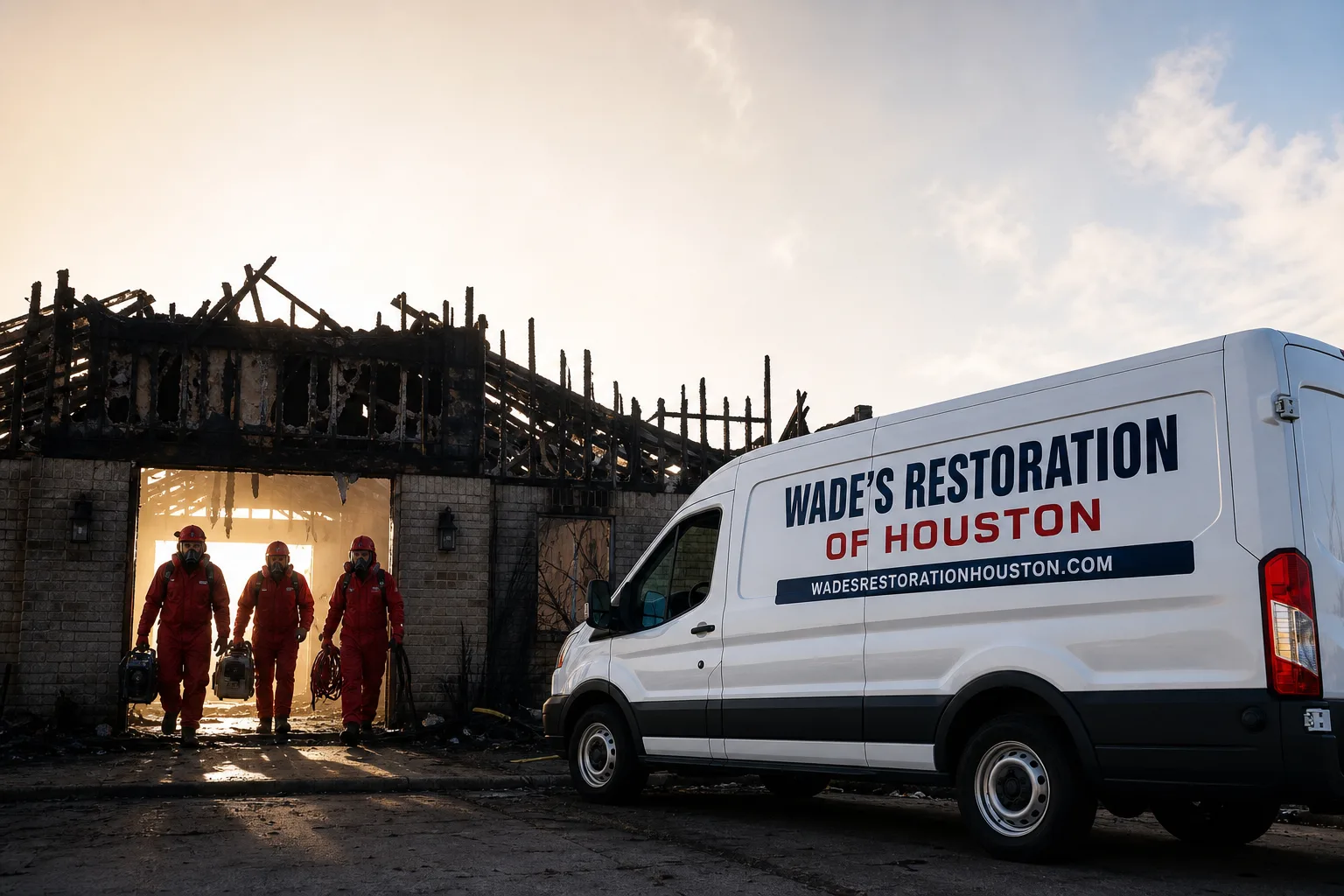
Fast, Reliable Biohazard & Crime Scene Cleanup Across Dayton
Biohazard and crime scene cleanup in Dayton, TX typically runs $1,800-$4,500 for a standard trauma or unattended death scene, and most jobs can be started the same day you call. Our crews know the 77535 zip code, the Trinity River bottom neighborhoods, and the difference between a slab ranch off FM 1960 and a pier-and-beam house near the old rail line. When blood, bodily fluids, or worse are left behind, waiting makes everything harder to clean and more expensive to fix. Call (888) 534-8116 and Wade will answer.
We’re not a call-center outfit that sub-contracts your emergency out to whoever is available. Biohazard & Crime Scene Cleanup is work we do ourselves, with our own people, using professional containment and disinfection protocols. Dayton is inside our service area, and we head up Highway 90 on a regular basis. If you’re dealing with a scene today, don’t read the whole page. Call now.
Why Wade’s Restoration of Houston Is Dayton’s Preferred Biohazard & Crime Scene Cleanup Company
Wade Ferris started this company in 2007 and has answered his own phone ever since. That matters in Dayton because the people we serve here tend to check a name and a face before letting anyone through the door. Wade’s name is on the truck. His address is published. You’re going to run into him again somewhere around Liberty County, and that’s the oldest accountability system there is.
We answer calls with a live person, twenty-four hours a day. Not a voicemail tree, not an answering service. When a Dayton homeowner calls at two in the morning about a trauma scene, the person who picks up is the person who decides whether a crew heads out immediately. That crew is background-checked, uniformed, and carries IICRC-certified training plus RIA and IFA affiliations. In a town where neighbors still know neighbors, we work like your reputation depends on it. Because it does.
Response time to Dayton: most biohazard calls get a crew on the road within ninety minutes. From crime scenes off West Clayton to unattended deaths in Country Club Estates, we treat every job as an emergency even when the clock isn’t technically running. A scene left untouched for another day breeds odor that migrates into wall cavities, floor systems, and HVAC ducting. Speed isn’t a luxury in this work. It’s the difference between cleanup and demolition.
Our Biohazard & Crime Scene Cleanup Services in Dayton
Crime Scene Cleanup
After law enforcement releases a scene, the biological material that’s left is your legal and health responsibility. Blood, tissue, and other bodily matter carry bloodborne pathogens including hepatitis B, hepatitis C, and HIV. Our Dayton crime scene teams remove affected materials, disinfect every surface with hospital-grade agents, and verify the job with adenosine triphosphate (ATP) testing so you know the space is actually clean, not just visually clean.
Trauma & Unattended Death Cleanup
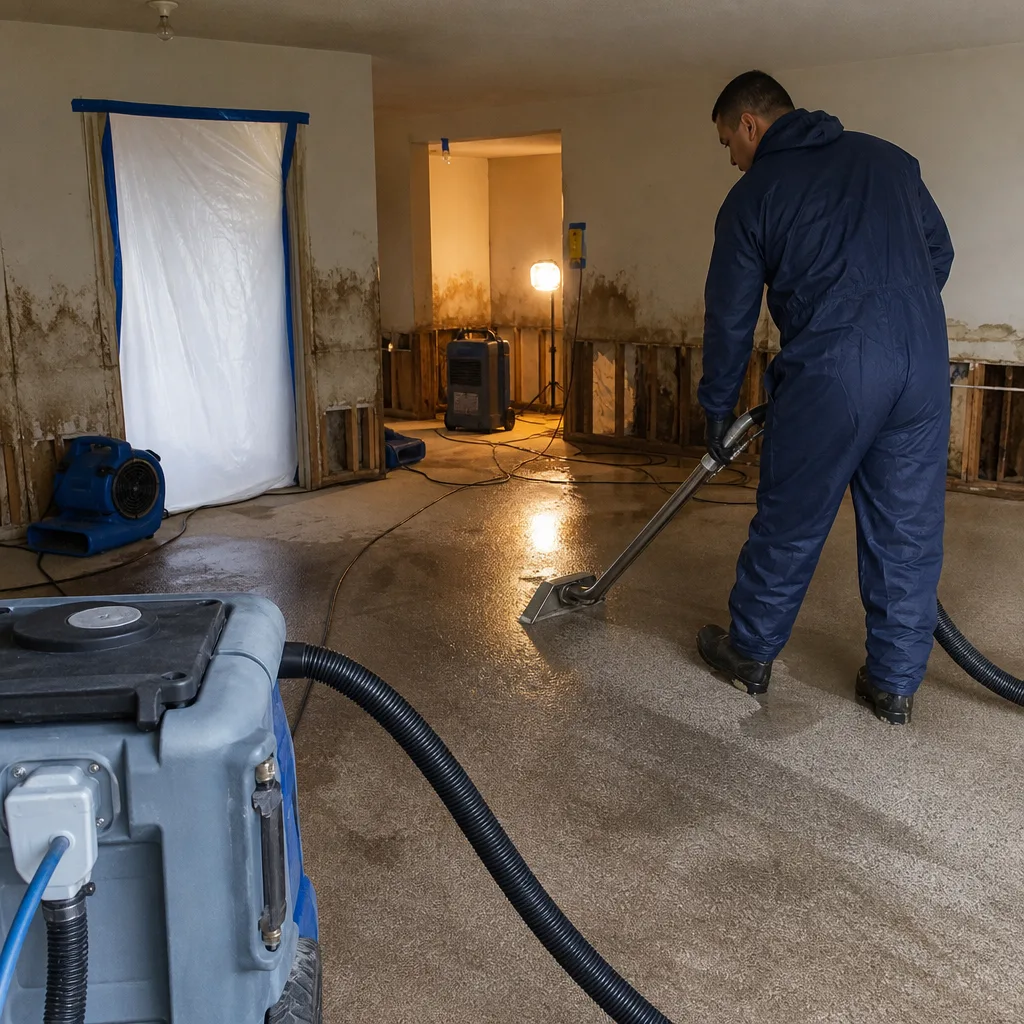
Unattended deaths in Dayton present a unique problem most people never plan for: decomposition fluids that have had days-sometimes weeks-to soak into subflooring, drywall, and concrete. In slab homes along the Trinity River floodplain, those fluids get pulled into porous concrete that never fully releases moisture. We remove the contaminated materials, not just mask them, then run containment and dehumidification long enough to address what the slab itself is holding.
Hoarding Cleanup
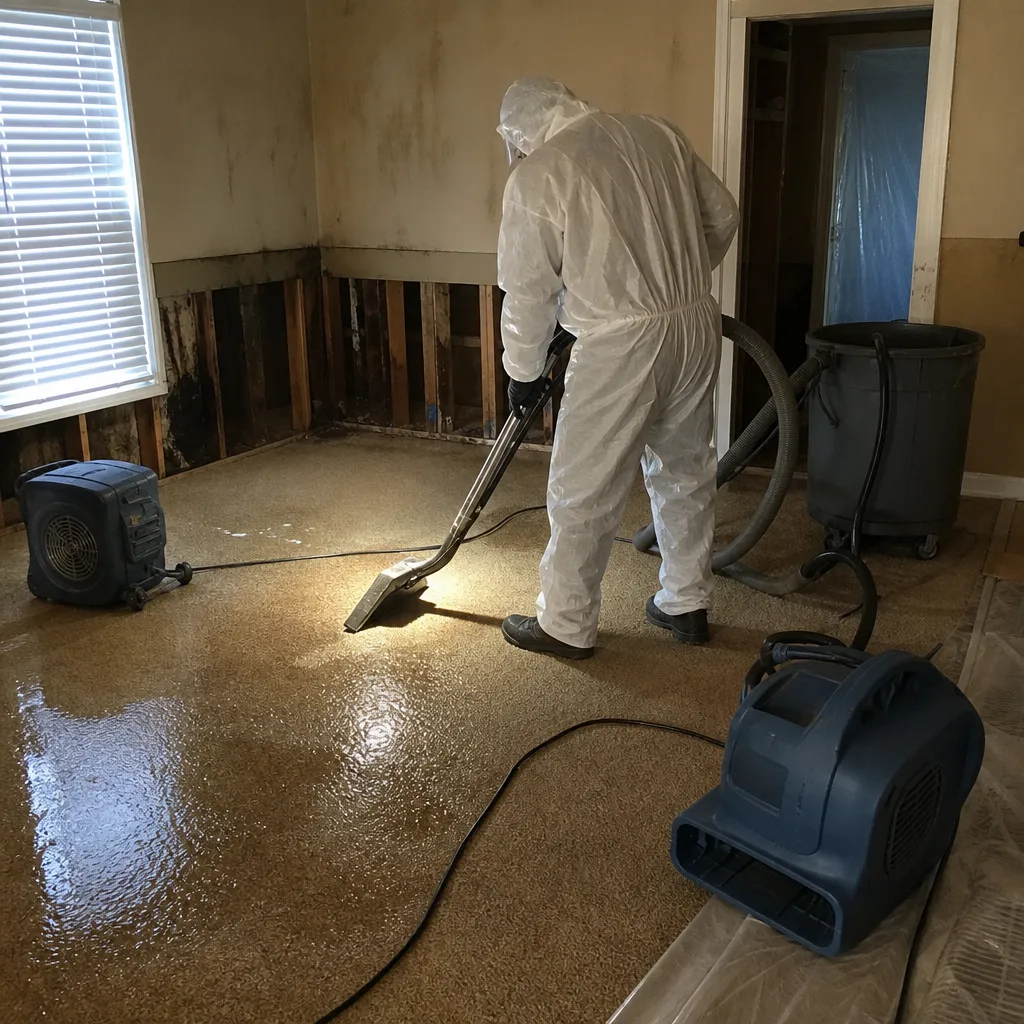
Hoarding situations in Dayton often involve years of accumulated material layered over plumbing failures, roof leaks, and in some cases flood damage from the Trinity. That means we’re not just hauling debris. We’re separating what’s salvageable, documenting what’s unsalvageable for insurance purposes, and screening for biohazards beneath the pile: rodent waste, spoiled food, mold, and in some cases human waste. We work with the family, not against them, and we never make a difficult situation feel like a TV show.
Blood & Bodily Fluid Cleanup
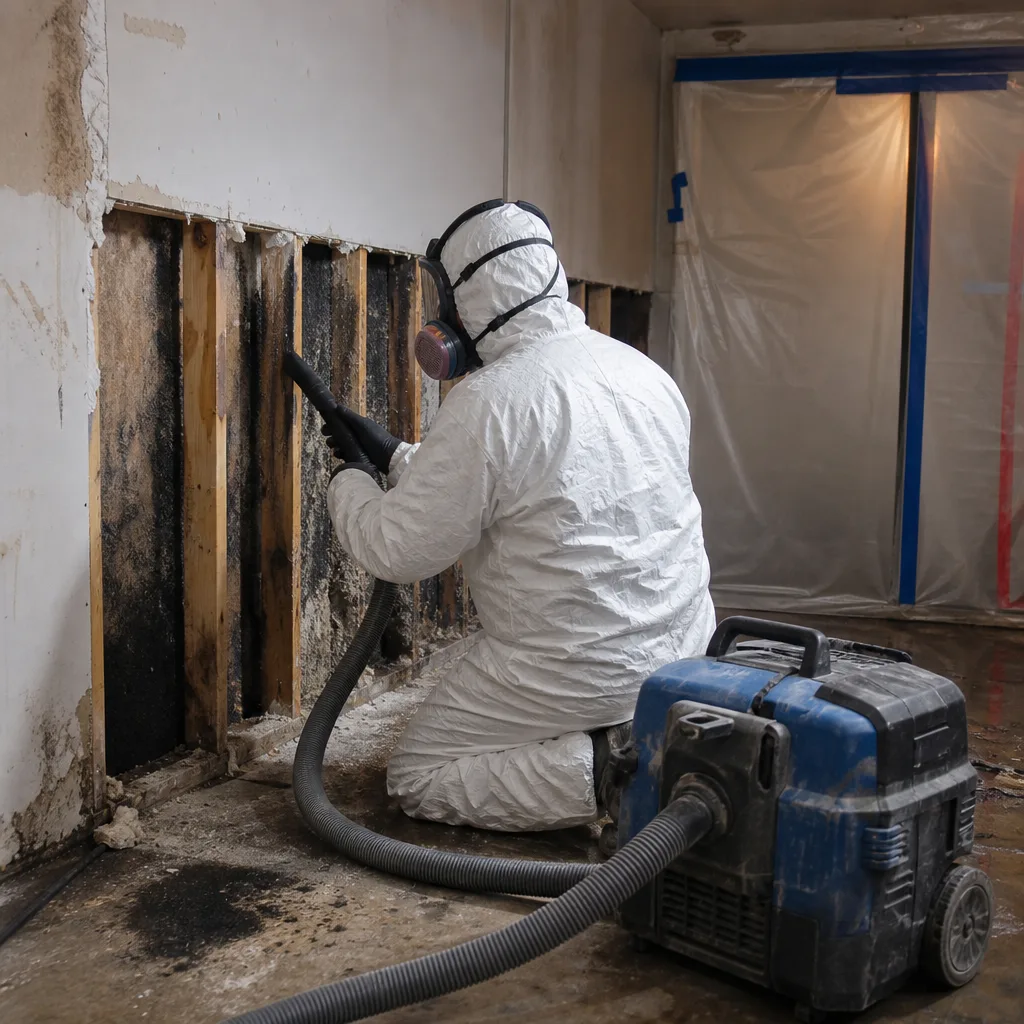
Whether it’s a violent incident, a medical emergency, or an accident at a Dayton worksite, blood and bodily fluids can’t be cleaned with household products. They require containment, proper removal of porous materials, and chemical disinfection that actually kills the pathogens present. We cut out affected carpet and pad, remove drywall when fluids have wicked upward, and treat the framing and slab beneath. If it’s in grout lines or concrete, we don’t pretend a surface wipe is enough.
What happens when you call
- 1
A real person answersNo phone trees - you reach a local pro.
- 2
You get an upfront price rangeHonest numbers before anyone is dispatched.
- 3
A background-checked tech heads outLicensed & insured, dispatched right away.
- 4
You approve before work beginsNothing starts until you say go.
Trusted Brands We Service in Dayton
When we set up containment in a Dayton home, the equipment running is professional grade: XPOWER air movers, Dri-Eaz dehumidifiers, Injectidry for targeted drying in wall cavities and under cabinets. We don’t show up with hardware-store fans and a bottle of bleach. The gear matters because the goal is to stabilize the environment so biological contamination can’t reactivate while we work. And because we stock these systems on our own trucks, we don’t wait on a rental counter in Houston before we can start pulling humidity out of a Trinity River-bottom slab.
Common Biohazard & Crime Scene Cleanup Problems We See in Dayton Homes
- Slab-wicking contamination in river-bottom clay. Dayton’s silty clay soils hold ground moisture against slab foundations for weeks after the Trinity recedes. Blood or bodily fluids that penetrate porous concrete stay biologically active longer, and standard cleaning that works on a Houston subdivision slab doesn’t cut it here.
- Extended humidity beating standard drying timelines. When relative humidity sits above 80% for days on end, biological residue in wall cavities and subfloor spaces stays damp and viable. We hold negative air pressure longer in Dayton than we would in drier inland areas, and we document every reading.
- Manufactured-home floor systems reaching failure quickly. A notable share of Dayton’s housing stock is manufactured or mobile homes. Their floor assemblies are thinner, more porous, and less forgiving after flood exposure or a trauma scene involving fluid saturation. Often the right call is full removal, not surface treatment.
- Wind-driven rain hiding contamination in wall assemblies. After a Gulf storm pushes rain sideways, moisture gets behind siding and into insulation in older Dayton homes. If a biohazard event happened in the same house, that hidden moisture keeps contaminants active and breeds mold behind baseboards where you can’t see it.
Pricing for Biohazard & Crime Scene Cleanup in Dayton, TX
You deserve real numbers, not a phone quote that doubles when the crew arrives. Here’s what biohazard and crime scene cleanup actually costs in Dayton:
| Service | Typical Dayton Range |
|---|---|
| Blood & bodily fluid cleanup (single room) | $1,200-$2,500 |
| Trauma or unattended death cleanup (standard scene) | $1,800-$4,500 |
| Extended decomposition (multiple rooms or weeks of exposure) | $4,000-$8,000+ |
| Hoarding cleanup (dumpster, labor, biohazard screening included) | $2,500-$7,500 |
| Infectious disease disinfection (full home) | $800-$2,200 |
| Tear gas or chemical contamination | $1,500-$4,000 |
What moves the price: how much porous material has to go, whether the slab or pier-and-beam subfloor is saturated, how long the scene sat before we arrived, and whether structural drying is needed before disinfection can even begin. We give you a written scope before any work starts. No surprises. Estimates are free. Call (888) 534-8116 for an exact number on your situation.
One more thing: if you have a written estimate from another company, Wade will give you a free second opinion. And if you’re a senior or veteran, you get 10% off-always.
We Also Serve Cities Near Dayton
Our crews also cover Biohazard & Crime Scene Cleanup in Dayton and the surrounding communities: Liberty, Mont Belvieu, Highlands, and Atascocita. If you’re on the edge of the county or just inside the next one, call and ask. There’s no trip charge inside our own county, and Wade will tell you straight whether we can get to you quickly.
Serving Dayton, TX - Our Local Coverage Area
We’re based in the Dayton area and know this community well. Use the map below to see our service coverage - if you’re nearby, we can almost certainly help.
FAQs - Biohazard & Crime Scene Cleanup in Dayton
Because the concrete slab itself is still wicking ground moisture. In Dayton’s river-bottom clay soils, moisture moves upward through the slab for weeks after floodwater recedes. Decomposition fluids that soaked into that concrete aren’t neutralized by a surface wipe-they reactivate when humidity stays above 80%. Odor returns because the biological material is still there. The fix is removal of all contaminated porous material plus extended dehumidification and containment, not another round of deodorizer. Call (888) 534-8116 and ask us to do it right the first time.
Yes. Manufactured home floor assemblies are thinner and more porous than a slab-built home’s concrete. If wind-driven rain got into the wall or floor cavity before, during, or after a biohazard event, contaminated insulation and subflooring hold moisture and biological material in a way you can’t see from inside. Cleanup means removing those materials, not just the visible surface. We treat manufactured homes in Dayton with the same containment and disposal standards as any other site, but we’re more aggressive about what gets removed.
Liberty County generally treats trauma scene cleanup as a private property matter once law enforcement releases the scene. There’s no county permit specific to biohazard work for a private residence. However, if structural repairs from flood or storm damage are part of the job-replacing wall sections, subflooring, or insulation-those repairs fall under standard building permit review. We document everything with photos and written scopes so your insurance adjuster has what they need, and we handle the adjuster communication directly.
Standing water under a pier-and-beam house keeps the subfloor space humid for weeks, which means everything sitting on those floors-including hoarded material-has been absorbing moisture the entire time. What looks like a simple debris removal is often a biohazard job involving mold, rodent waste, and water-damaged flooring that has to be cut out. We assess the subfloor condition before we ever start hauling, because removing material from a rotten floor is dangerous and incomplete. Our hoarding cleanup in Dayton includes that structural assessment as standard.
Yes. We’re a full restoration company, so we don’t hand you off to another contractor. Our crew can secure the structure, remove wind-driven water intrusion, tear out contaminated materials, and complete the biohazard disinfection in one scope of work. That saves you time and keeps your adjuster dealing with one company instead of three. We document the storm damage separately from the biohazard work so insurance is billed correctly. Call (888) 534-8116 and we’ll walk you through it.
One More Thing About Dayton
Dayton’s silty clay river-bottom soils are the reason we handle biohazard cleanup here differently than we would in Houston. The clay holds ground moisture against slab foundations for weeks after the Trinity River recedes, keeping interior humidity high enough that blood or bodily fluids trapped in porous concrete or grout don’t fully neutralize-they reactivate. Standard drying timelines underperform here. Our crews run extended containment and dehumidification, because in this dirt, short-cutting the dry-out means the smell comes back. We’ve seen it happen. We don’t let it happen on our jobs.
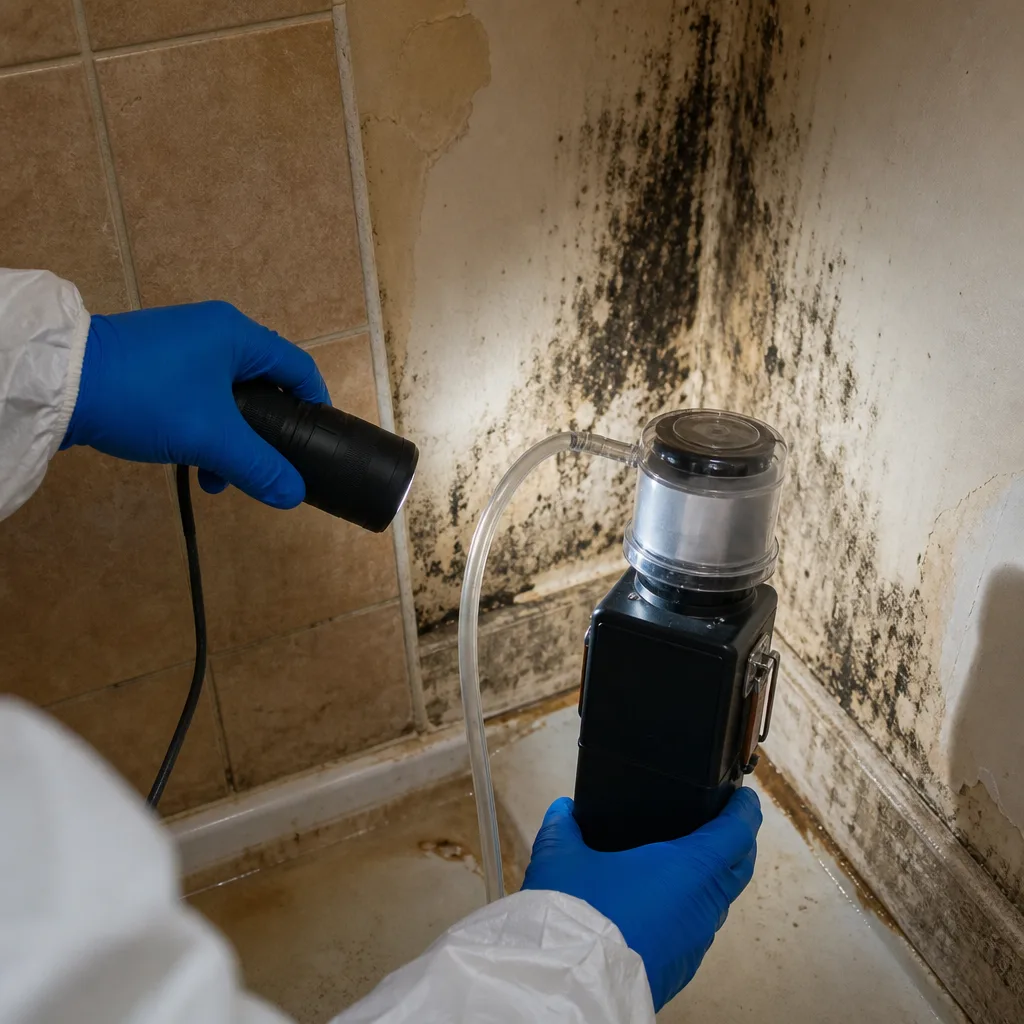
Our crew handled a trauma cleanup in a 1980s slab ranch in Country Club Estates off FM 1960 after a prolonged Trinity River flood. The slab was still wicking moisture weeks after water extraction. We deployed extra XPOWER air movers and a Dri-Eaz dehumidifier to hold negative air while we removed bloodborne pathogens from the bathroom tile and subfloor, preventing secondary mold colonization behind the baseboards before final disinfection. That’s the standard in Dayton. It’s not negotiable.
If you’re facing a biohazard situation in Dayton-a crime scene, an unattended death, a hoarding situation, or infectious disease exposure-call (888) 534-8116 right now. Wade answers his own phone. There’s no charge for the call, no trip charge inside the county, and no pressure. You’ll get a straight answer and a real plan.
Written by Wade Ferris, Owner at Wade’s Restoration of Houston, serving Dayton since 2007.